
Huawei
Time: globisoftware
On: Feb/26/2026
Category: Huawei iphone samsung Digital life
A solar-powered generator provides clean and steady electricity, but its effectiveness is determined by how it is used and maintained. Many consumers focus solely on battery capacity, ignoring charging efficiency, panel positioning, and load control. Small modifications can dramatically enhance charging speed and runtime. Poor connections, poor charging practices, and severe temperatures can all degrade efficiency over time. To achieve the greatest results, you must optimise solar input, maintain battery health, and carefully monitor power use. This book offers practical techniques for improving performance and ensuring consistent production in everyday or emergency scenarios.
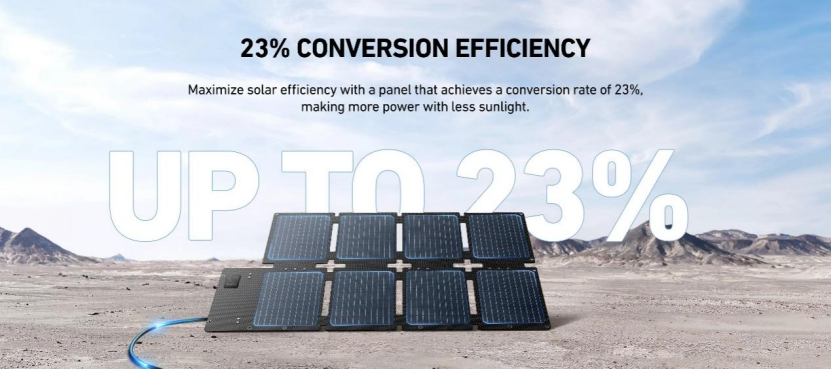
How Can You Optimize Solar Input and Charging Speed?
Position Solar Panels for Maximum Sun Exposure
Solar panels produce the greatest energy when they are exposed to direct sunlight for a lengthy period of time. Place the panels in a location free of shade from trees, buildings, or cars. Partial shading can severely diminish output. If employing portable devices, face the panels toward the equator and alter their orientation during the day. Keep an eye on lighting patterns and steer clear of areas with rapid shadow variations. To avoid wind movement, secure the panels tightly. Consistent exposure boosts charging speed and enhances overall generator performance. Proper location remains one of the easiest and most efficient methods for increasing solar input efficiency.
Upgrade Solar Panel Capacity and Use MPPT Technology
Increasing panel capacity helps your generator absorb more sunshine and recharge more quickly. If your system can handle greater solar input restrictions, try adding appropriate panels to shorten charging time. Larger arrays compensate for overcast weather and seasonal variations. Many contemporary generators use MPPT charge controllers, which optimise voltage and current for optimal efficiency. MPPT technology produces more usable power than standard PWM controllers. Make sure your system has high-quality controllers and matching panels. Upgrading components enhances energy gathering and reduces downtime. Improved charging efficiency allows batteries to recover rapidly after intensive use.
Reduce Energy Loss from Cables and Poor Connections
Wiring and connections are more likely to cause energy loss than panels or batteries. Use high-quality, weather-resistant cables with the proper gauge thickness. Thicker wires minimise resistance while improving energy transfer. Regularly inspect connections for looseness, corrosion, and wear. Poor connections generate more heat and limit charging efficiency. Secure all connectors tightly and repair any broken cords right away. Keep connecting points clean and away from moisture. Minimising resistance and maintaining good wiring ensures that maximum energy is transferred from panels to battery storage. Small improvements in cable quality and connection stability can noticeably boost overall system performance.
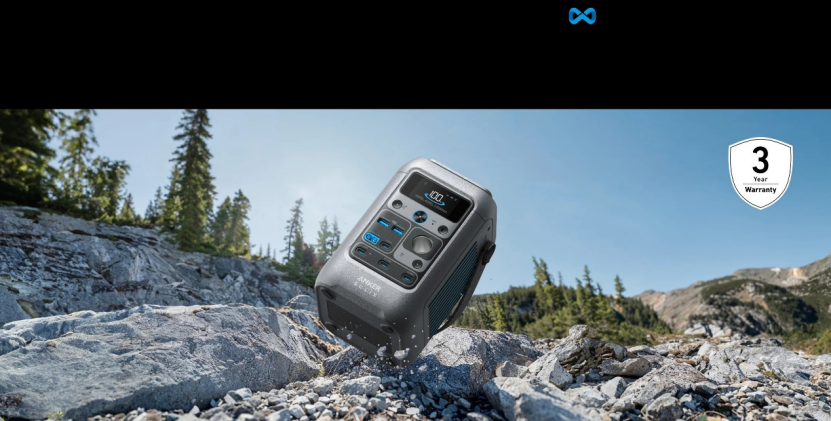
How Do You Extend Battery Life and Output Efficiency?
Follow Proper Charging and Discharging Cycles
Battery longevity in a solar generator depends on responsible charging habits. Whenever possible, avoid completely exhausting the solar generator battery. Most lithium-based batteries work best when kept at modest charge levels. Follow the manufacturer's specifications for minimum and maximum charge levels. Overcharging or deep discharge hastens capacity loss. Before storing the solar generator, recharge it to ensure that it is not completely drained. Protect internal electronics by using certified chargers and compatible solar panels. Consistent charging techniques protect battery health and ensure consistent power over time. Proper maintenance increases the useful life and assures dependable functioning during crises.
Manage Loads and Avoid Overloading the Inverter
Efficient load control reduces system strain and increases dependability. Check the inverter's continuous and surge ratings before connecting appliances. Running numerous high-wattage devices at the same time is not recommended unless the system can handle the load. To track usage, monitor the real-time output through the display. Prioritise important items like freezers, lights, and communication systems. To limit battery consumption, schedule heavy loads during peak sunshine hours. Overloading the inverter may result in shutdowns or component damage. Balanced energy utilisation ensures consistent performance and protects internal electronics from overstress.
Store and Operate the Generator in Ideal Temperatures
The efficiency of batteries and inverters is greatly impacted by temperature. Severe heat shortens the lifespan of batteries and speeds up their breakdown. Freezing temperatures may restrict charging capacity and momentarily reduce power. Keep the generator within the suggested temperature ranges in a dry, well-ventilated area. Steer clear of extended exposure to moist circumstances or direct sunshine. Before charging, let the battery warm up if you want to use it outside in the winter. Controlling the temperature properly enhances charging stability and safeguards delicate components. Long-term durability and reliable energy supply are supported by maintaining optimal environmental conditions.
Conclusion
Making improvements to the performance of your solar-powered generator requires paying attention to the efficiency of charging, the care of the battery, and the control of the load. Panel location should be optimised, components should be upgraded wherever possible, and solid electrical connections should be maintained. It is important to adhere to the prescribed charging cycles and to safeguard the system against temperature extremes. You can increase the lifespan of your batteries and guarantee that you have reliable power whenever you want it if you carefully manage the amount of energy that you consume and repair your equipment on a constant basis.